
-
The practice known as "free birth" — giving birth at home without a midwife — carries severe risks. But social media influencers are bringing attention and followers to the practice.
-
 Sebastien Kitsa Musayi/APNigeria is the latest country to report an Ebola case as the outbreak spreads across the region. Kenya confirmed its first case earlier this month and has since recorded nine infections.


-
Health workers battling the ongoing Ebola outbreak in Congo are hindered by lack of data, budget cuts and a fearful community.
-
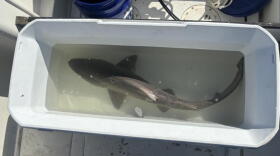 Boston Harbor used to be one of America's dirtiest ports. But after decades of cleanup efforts, plenty of marine life, including sharks, call it home.
 -
 A large underwater wave moved up the West Coast, raising sea levels. Scientists say it's driven by El Niño and it's going to happen again.
 -
James Olthoff, a delegate to the International Bureau of Weights and Measures, talks to NPR's Joel Rose about why it's important to accurately measure time on the moon.
-
Rescuers in Indonesia have saved dozens of orangutans from wildfires. The critically endangered species is fighting for their lives and habitats during this deadly wildfire season.
-
 Patients travel miles to be treated at public hospitals in Delhi. Those in need get financial aid for their care. But for overnight accommodations, families are often on their own — and on the street.
 -
 For the first time since 2014, the American College of Obstetricians and Gynecologists has updated its guidelines for the treatment of symptoms commonly associated with menopause.
 -
There are still plenty of unanswered questions about dementia in humans. And even more for dogs.
-
For StoryCorps, a public health nurse in Minnesota speaks with her college mentor about a moment when she almost gave up on her career aspirations.
-
 Manhattan's Upper West Side has been reveling in the company of its latest celebrities: A family of barn owls nested in a water tower atop a building near Central Park.


