
-
Writer David Treuer's Ojibwe mother saw America as a country that tried to destroy her people. For his father, a Jewish refugee, the U.S. was the country that saved his life.
-
 NYRBIt is hard not to fall in love with Katherine Browne, the eager to please, mini-skirted narrator in Barbara Trapido's 40-plus-year-old debut novel, reissued this month.


-
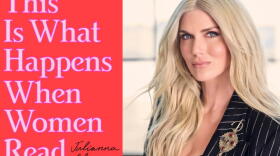 Julianna Glasse was raised evangelical Christian, and had a marriage and a musical career rooted in faith. Then she started reading books about philosophy and feminism.
 -
 One of NPR's most gifted storytellers, his soft voice and vivid writing helped define the network's sound for a generation of Americans.
 -
 Pope Leo XIV thanked thousands of faithful in St. Peter's Square on Sunday for their prayers while he was hospitalized, and said he plans to gradually return to his usual duties.
 -
Toledo got dubbed "Glass City" after manufacturers concentrated there in the 1880s. It's now home to a remarkable collection of glass art and a thriving community of artists.
-
 Scary stories are more than fun, they're big business.
 -
 As the American Girl doll company celebrates its 40th anniversary, Samantha has turned 25 — and is the subject of a new historical fiction novel by author Fiona Davis.
 -
 NPR's Ayesha Rascoe plays the puzzle along with Weekend Edition Puzzlemaster Will Shortz and KUWR listener Paula Egan Wright of Cheyenne, Wyoming.
 -
 This week, we celebrate the arrival of autumn by going apple picking with some of our favorite guests, including Sally Field, Caro Claire Burke, Jason Narducy, and Robert Smigel.
 -
 The Pope left Rome's Gemelli Hospital Saturday, days after surgery for lung cancer removed the lower lobe of his right lung. He is currently scheduled to travel to Latin America in November.
 -
 Nathan Fielder's new film about Theranos founder Elizabeth Holmes blurs the lines between reality and fiction. The film can be genuinely gripping — but the truth might not be so ambiguous.


